
Insulation Company in March Air Force Base, CA
Blown in insulation solves the single biggest problem we see in March Air Force Base homes: decades-old attic material that’s flattened, dusty, and doing almost nothing to stop 105°F attic temperatures from driving your cooling bill through the roof. The 1950s-1970s tract homes throughout 92551 were built when R-11 or R-19 was the standard, and most of that material has settled to half its original depth. We’re Laguna Hills Insulation, and we’ve served March Air Force Base since 2014. We work across eight manufacturer brands and three installation methods so the right material wins, not the one easiest to install. Call (866) 393-6041 for a free estimate.
Why March Air Force Base Homes Are Different
March Air Force Base sits in the hot, dry Inland Empire corridor east of Riverside, where summer afternoons routinely pass 100°F and overnight temperatures drop 30 degrees or more. That diurnal swing punishes under-insulated attics. A 1950s tract home here absorbs solar heat all day, radiates it into living space through the evening, and then the cycle starts again before the house ever fully cools. The base-era housing stock makes this worse: original insulation in these homes is usually a thin layer of fiberglass batts or loose fill that’s been compacted by decades of heat, rodent traffic, and roof work. Single-pane windows and unsealed wall plates let conditioned air escape while attic heat pours down through the ceiling. Technicians who work March Air Force Base attics know the drill: blown-in material that looks like it was installed yesterday but measures R-8 instead of R-30 because it’s been baked flat. Upgrading attic insulation here isn’t a luxury retrofit. It’s the highest-ROI energy fix available, often cutting cooling costs 15-25% in the first summer.
Our Main March Air Force Base Services
Most March Air Force Base homeowners call us for two jobs: bringing attic insulation up to modern R-value standards, and sealing air leaks with spray foam. Each service has its own page, but here’s the quick version.
Attic Insulation in March Air Force Base
Attic insulation in March Air Force Base usually means removing old, compacted material and blowing in fresh fiberglass or cellulose to R-38 or R-49. Given the 1950s-1970s housing stock throughout 92551, we frequently find original cardboard baffles collapsed and ventilation blocked, so the job often includes rebuilding the vent path before new insulation goes in. Afternoon attic temperatures here exceed 140°F in July, which makes air sealing the ceiling plane just as important as the R-value itself. We stock Owens Corning, Johns Manville, Knauf, and GreenFiber materials so the product fits the structure, not our inventory. See the full breakdown on our Attic Insulation in March Air Force Base page.
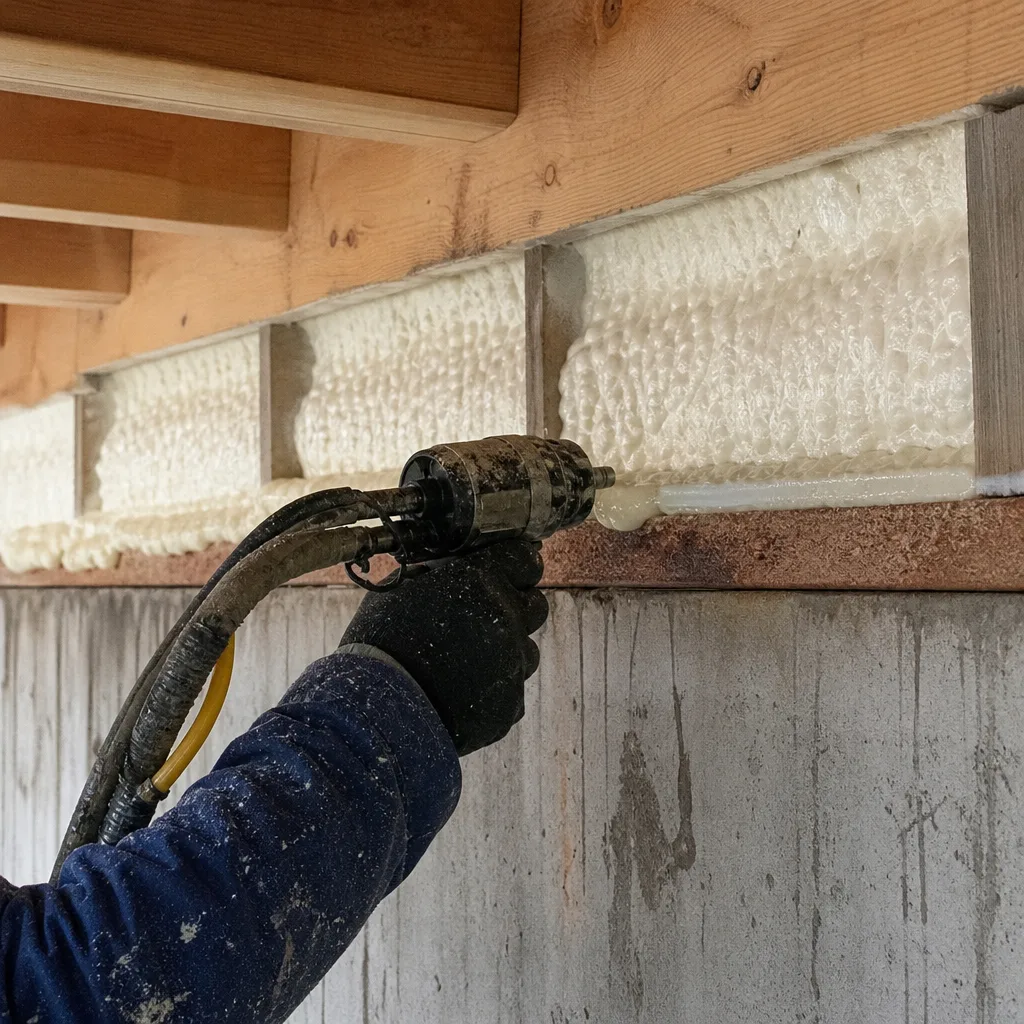
Spray Foam Insulation in March Air Force Base
Spray foam does what blown-in insulation can’t: it creates an air barrier and a thermal barrier in one application. For March Air Force Base homes with open attic spaces, knee walls, or attached garages that get brutally hot, closed-cell foam from Demilec stops both conductive heat and air movement. That matters when single-pane windows are already leaking and you’re trying to keep the living space under 80°F without running the AC nonstop. The material seals cracks, gaps, and rim joists that fiberglass simply can’t address. Read more on the Spray Foam Insulation in March Air Force Base page.
What happens when you call
- 1
A real person answersNo phone trees — you reach a local pro.
- 2
You get an upfront price rangeHonest numbers before anyone is dispatched.
- 3
A background-checked tech heads outLicensed & insured, dispatched right away.
- 4
You approve before work beginsNothing starts until you say go.
Blown In Insulation in March Air Force Base
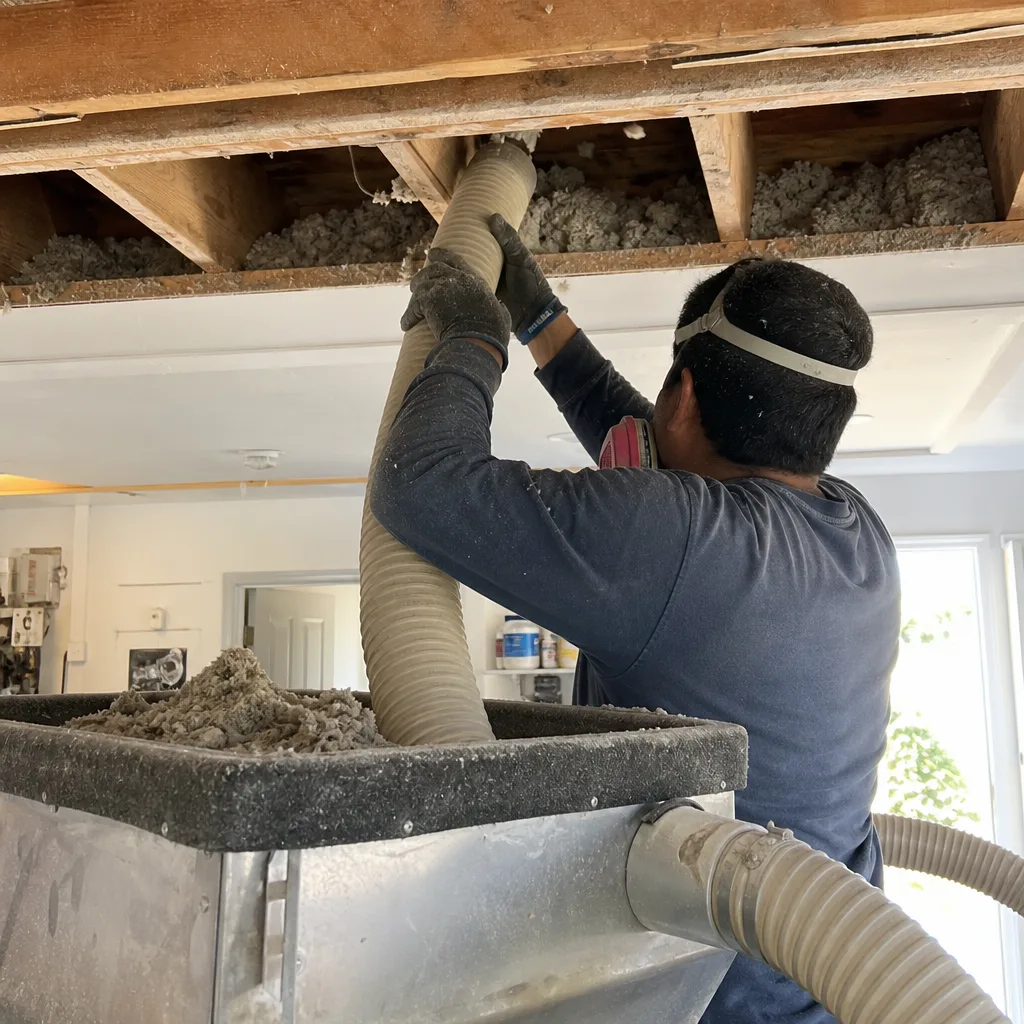
Blown in insulation is the fastest, most cost-effective way to bring a March Air Force Base attic up to modern R-value standards. Homes in 92551, mostly built between 1950 and 1975, typically have 4 to 8 inches of original loose fill that’s settled, compacted, and underperforming by half. Blowing in fresh fiberglass or cellulose over or replacing that material restores the ceiling’s thermal barrier in a single workday. We install both fiberglass and cellulose blown-in systems, and we stock materials from Owens Corning, Johns Manville, and GreenFiber so we’re never forcing one product on a house it doesn’t fit. Our approach is material-agnostic: we recommend the insulation that matches your attic’s venting, framing, and existing condition. Learn more about the method on our Blown In Insulation page.
Cellulose Insulation
Signs you need it
Your attic has old fiberglass batts that are compressed, dirty, or sagging, and you want a dense-packed material that fills irregular cavities and slows air movement through the ceiling.
What it costs in March Air Force Base
Blown-in cellulose in March Air Force Base typically runs $1,200 to $2,800 for a standard 1,200 to 2,000 square foot attic, depending on depth and whether old material is removed first.
How we do it
We air-seal penetrations, install or repair vent baffles, then blow GreenFiber cellulose to the target R-value with a calibrated hose, checking depth with measurement cards as we go.
Blown In Attic Insulation
Signs you need it
Your second floor stays hot well after sunset, your AC runs constantly from June through September, and the attic’s existing insulation measures under R-19 or looks settled and uneven.
What it costs in March Air Force Base
Blown-in attic insulation for a typical March Air Force Base home runs $900 to $2,400 for fiberglass and $1,200 to $2,800 for cellulose, including removal of loose debris in the work area.
How we do it
We inspect the attic, determine the target R-value (usually R-38 to R-49 for this climate), then blow material evenly from the eaves to the access hatch, keeping soffit vents clear and verifying depth throughout.
Blown In Cellulose Insulation
Signs you need it
You’re looking for a recycled-content option with better air-sealing properties than fiberglass, and your attic framing has irregular cavities or obstructions that batts leave gaps around.
What it costs in March Air Force Base
Blown-in cellulose in 92551 runs $1.35 to $2.20 per square foot installed, with a standard 1,500 square foot attic landing between $2,000 and $3,300.
How we do it
We prep the space, seal bypasses around plumbing and electrical penetrations, then blow GreenFiber cellulose to the specified depth, using a dense-pack technique around rim joists and band boards where air leakage is worst.
Blown In Fiberglass Insulation
Signs you need it
You want a budget-conscious R-value upgrade in a dry attic with good ventilation, and the existing material is thin or unevenly distributed.
What it costs in March Air Force Base
Blown-in fiberglass in March Air Force Base runs $0.85 to $1.50 per square foot installed, so a 1,500 square foot attic typically lands between $1,275 and $2,250.
How we do it
We mark target depth on rafter tails and trusses, blow Owens Corning or Johns Manville loose-fill fiberglass in consistent passes, and level the final layer so R-value is uniform across the entire attic floor.
Loose Fill Insulation
Signs you need it
Your attic has shallow, patchy insulation, and you want a fast, even cover that fills around wiring, bracing, and odd framing angles without cutting batts.
What it costs in March Air Force Base
Loose fill insulation jobs in March Air Force Base start around $900 for a small attic and run up to $3,300 for larger homes with deep R-49 coverage.
How we do it
We remove any moisture-damaged material, verify attic ventilation is functional, then machine-blow loose fill to target depth, leaving a uniform thermal blanket with no gaps at the eaves.
What Blown In Insulation Costs in March Air Force Base
| Item | Typical range in March Air Force Base |
|---|---|
| Blown-in fiberglass (existing attic, R-38) | $900 – $2,400 |
| Blown-in cellulose (existing attic, R-38) | $1,200 – $2,800 |
| Attic prep, air sealing, and removal of old material | $300 – $800 |
How much does blown in insulation cost in March Air Force Base?
Most blown-in insulation jobs in 92551 run $900 to $3,300 total, depending on attic size, material choice, and depth required. Fiberglass runs $0.85-$1.50 per square foot installed, cellulose $1.35-$2.20.
Can you blow insulation over old insulation in March Air Force Base?
Yes, if the old material is dry and not compressed. We often blow new fiberglass or cellulose directly over existing loose fill, which saves removal cost and adds R-value immediately. Call (866) 393-6041 for an attic assessment.
Brands We Service in March Air Force Base
We service and install insulation from eight manufacturers, so March Air Force Base homeowners get a genuine material choice. We stock Owens Corning and Johns Manville fiberglass, GreenFiber cellulose, and Demilec spray foam, with parts and materials available locally for fast turnaround. Most material orders arrive within 2-3 business days. See the full lineup on our brands page.
Pricing for Insulation Company in March Air Force Base, CA
| Service | Typical range in March Air Force Base |
|---|---|
| Blown-in fiberglass attic insulation | $900 – $2,400 |
| Blown-in cellulose attic insulation | $1,200 – $2,800 |
| Dense-pack cellulose in walls | $1,500 – $3,500 |
| Air sealing (ceiling plane, penetrations) | $300 – $800 |
| Attic insulation removal | $500 – $1,200 |
| Spray foam rim joist sealing | $800 – $1,800 |
| Spray foam attic (open-cell) | $3,000 – $7,000 |
| Spray foam attic (closed-cell) | $5,000 – $12,000 |
| Mineral wool batt installation | $1,800 – $4,000 |
Prices in March Air Force Base run higher than coastal areas because attic temperatures make prep work slower: technicians take more breaks for safety, rotten or collapsed baffles are common in 1950s-1970s homes, and removal of old material is often required before new insulation can perform. Every quote we give is an upfront, line-item price, not an estimate that changes after we start.
Neighborhoods We Serve in March Air Force Base
We work throughout 92551 and the base-adjacent residential pockets, including the older tract developments and newer infill construction that border the installation. Our response time for most March Air Force Base jobs is 1 to 3 business days, with same-week scheduling available for emergency attic work.
- Base housing and military family residential areas
- Sunnyvale Ranch
- Orangecrest-adjacent tracts
- East Riverside corridor neighborhoods
- Perris Valley border communities
Service Area – Cities Near March Air Force Base
We serve March Air Force Base and the surrounding Inland Empire communities. If you’re in a neighboring city and need attic insulation, blown-in work, or spray foam, we cover Moreno Valley, CA, Woodcrest, CA, Perris, CA, and Good Hope, CA with the same material options and upfront pricing.
Serving March Air Force Base, CA — Our Local Coverage Area
We’re based in the March Air Force Base area and know this community well. Use the map below to see our service coverage — if you’re nearby, we can almost certainly help.
FAQs About Insulation Company in March Air Force Base
We schedule most March Air Force Base appointments within 1 to 3 business days. Emergency attic issues like water leaks or exposed electrical wiring after roof damage get priority same-week slots. Call (866) 393-6041 and we’ll give you the next available date.
Standard attic insulation and spray foam work in residential 92551 homes doesn’t require a city permit. If you live in base housing or on the installation itself, approvals go through the housing office, and we can coordinate with the appropriate contact. We’ll verify requirements before scheduling.
Most blown-in attic jobs finish in a single working day, and spray foam projects typically take one to two days. We work from the attic access, protect the living space with drop cloths, and clean up before leaving. You can stay home during the work.
Ready to get your March Air Force Base attic insulated before the next heat wave? Call Laguna Hills Insulation at (866) 393-6041 for a free, upfront estimate. We’ll assess what’s in your attic, tell you which material actually fits, and give you a line-item price on the spot. Home
What happens when you call
- 1A real person answersNo phone trees — talk to a local insulation pro.
- 2You get an upfront price rangeHonest numbers before anyone is dispatched. No surprises.
- 3A background-checked tech heads outLicensed & insured, typically within 1-hour.
- 4You approve before work beginsNothing starts until you say go.
What March Air Force Base Customers Say
"Told me the crawlspace didn't need doing and only the attic did. Half the job, half the money."
— Hector Hernandez"He did a blower door test before and after and gave me the numbers. I like being able to see the difference rather than being told about it."
— Elena Herrera"Found and sealed a gap around the chimney chase that was basically an open chimney to the attic."
— Sofia Vargas