Insulation Company in Rolling Hills Estates, CA
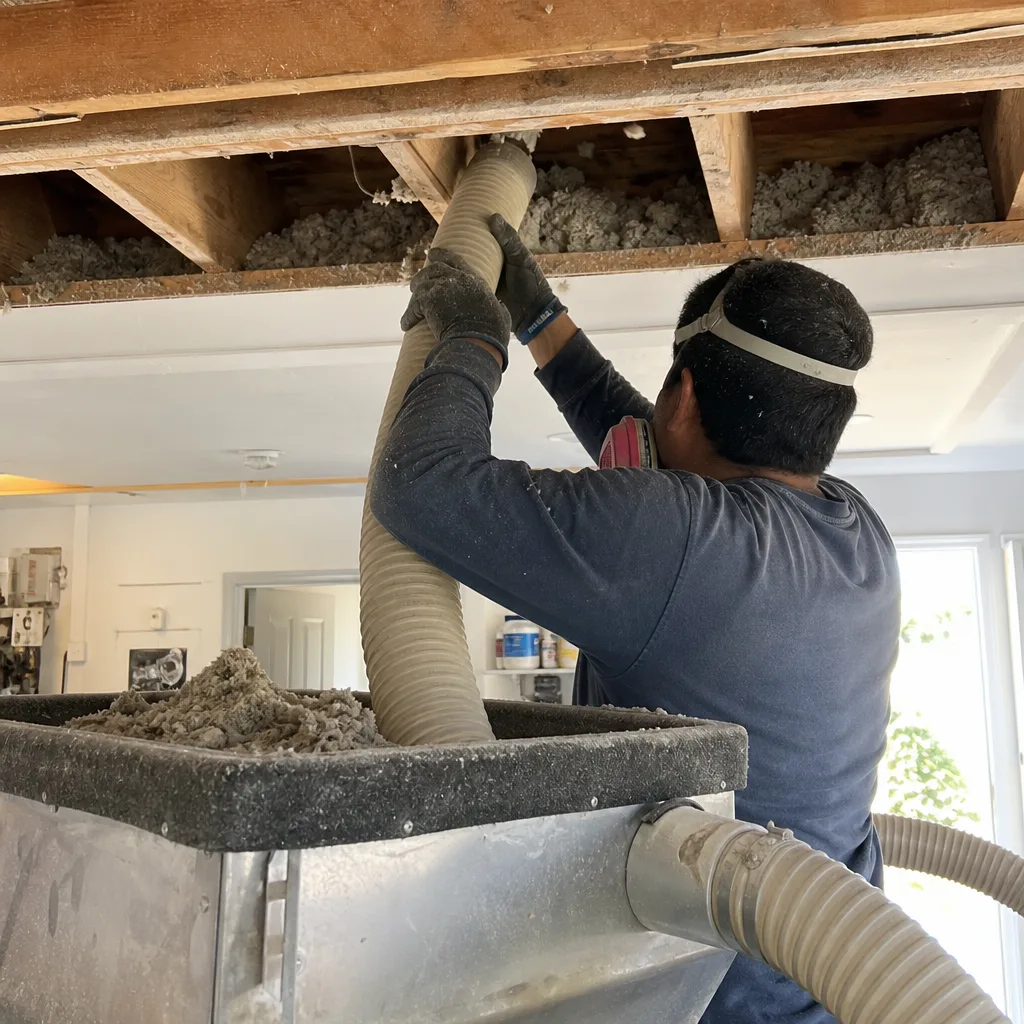
Blown in insulation in Rolling Hills Estates addresses the specific thermal and moisture challenges of homes perched along the Palos Verdes ridge. We install loose-fill cellulose and fiberglass in attics, vaulted ceilings, and hard-to-reach cavities where batts leave gaps. Because Rolling Hills Estates is a hill city, our crews work with smaller trucks and carry material farther than a flat-lot South Bay job ever requires. Most blown-in work here runs $1,800 to $4,200, and we’ll give you an exact number before any material leaves the truck. Call (866) 393-6041 for a free estimate.
Why Rolling Hills Estates Homes Are Different
Rolling Hills Estates sits on the Palos Verdes Peninsula, where the marine layer off the Pacific collides with hotter inland air. That split creates a condensation problem most South Bay contractors don’t see: shaded north slopes stay damp while south- and west-facing roof decks bake in afternoon sun. Insulation here has to fight two enemies at once, which is why vapor control and attic ventilation matter as much as the R-value itself. A home on a north-facing canyon slope will fail differently than one exposed to full afternoon sun, and the fix is not the same material.
The housing stock compounds this. Most homes in Rolling Hills Estates were built between the 1950s and 1980s, and they sit on large lots with vaulted wood-frame attics, detached garages, barns, and guest structures. Insulation work rarely stops at one building envelope. We regularly quote whole properties where the main house, a detached garage, and a barn or ADU each need different treatment. The horse-zoned estate properties along the ridge add another layer: air-sealing a barn is not the same job as air-sealing a guest house, and horse traffic brings dust and humidity into spaces that then need insulation that can handle it.
The terrain itself changes the logistics. Canyon and hillside streets in Rolling Hills Estates are narrow and winding, and some driveways will not fit a full-size insulation rig. Our crews plan for smaller trucks, longer hose runs on blown-in jobs, and material staging that respects a homeowner’s landscaping. On hillside lots we often hand-carry cellulose bales and foam hoses down a grade rather than park at the door. That kind of access planning is part of what gets built into a Rolling Hills Estates quote, and it’s a big reason the same scope can cost more here than on a flat Torrance tract lot.
Our Main Rolling Hills Estates Services
Rolling Hills Estates homeowners call us most about two things: attic insulation that has settled or failed in the coastal climate, and spray foam for vaulted ceilings and difficult rooflines. Each has its own dedicated Rolling Hills Estates page, but here’s the short version of how each job works in this city.
Attic Insulation in Rolling Hills Estates
Attic work in Rolling Hills Estates usually begins with a diagnosis: is the existing insulation compressed, rodent-soiled, or just too thin for the home’s roof exposure? Because the marine layer keeps shaded slopes damp, we check for moisture intrusion at the roof deck before adding material. For most 1950s to 1980s homes here, blown-in cellulose or fiberglass over an air-sealed attic floor is the right fix, but vaulted wood-frame attics need a different approach. See the full Attic Insulation in Rolling Hills Estates page for pricing, methods, and what to expect on a Peninsula hillside lot.
Spray Foam Insulation in Rolling Hills Estates
Spray foam earns its cost in Rolling Hills Estates on the jobs where fiberglass cannot do two things at once: seal air leaks and insulate in the same pass. Vaulted ceilings, cantilevered floors, and cathedral roof decks on hillside homes all fit that description. Closed-cell foam from Icynene or Demilec also handles the moisture load that comes with marine-layer humidity better than any batt. On steep-roofed estate homes with complicated framing, foam removes the thermal bridging that fiberglass cannot address. Read the full Spray Foam Insulation in Rolling Hills Estates page for material comparisons and local cost ranges.
What happens when you call
- 1
A real person answersNo phone trees — you reach a local pro.
- 2
You get an upfront price rangeHonest numbers before anyone is dispatched.
- 3
A background-checked tech heads outLicensed & insured, dispatched right away.
- 4
You approve before work beginsNothing starts until you say go.
Blown In Insulation in Rolling Hills Estates
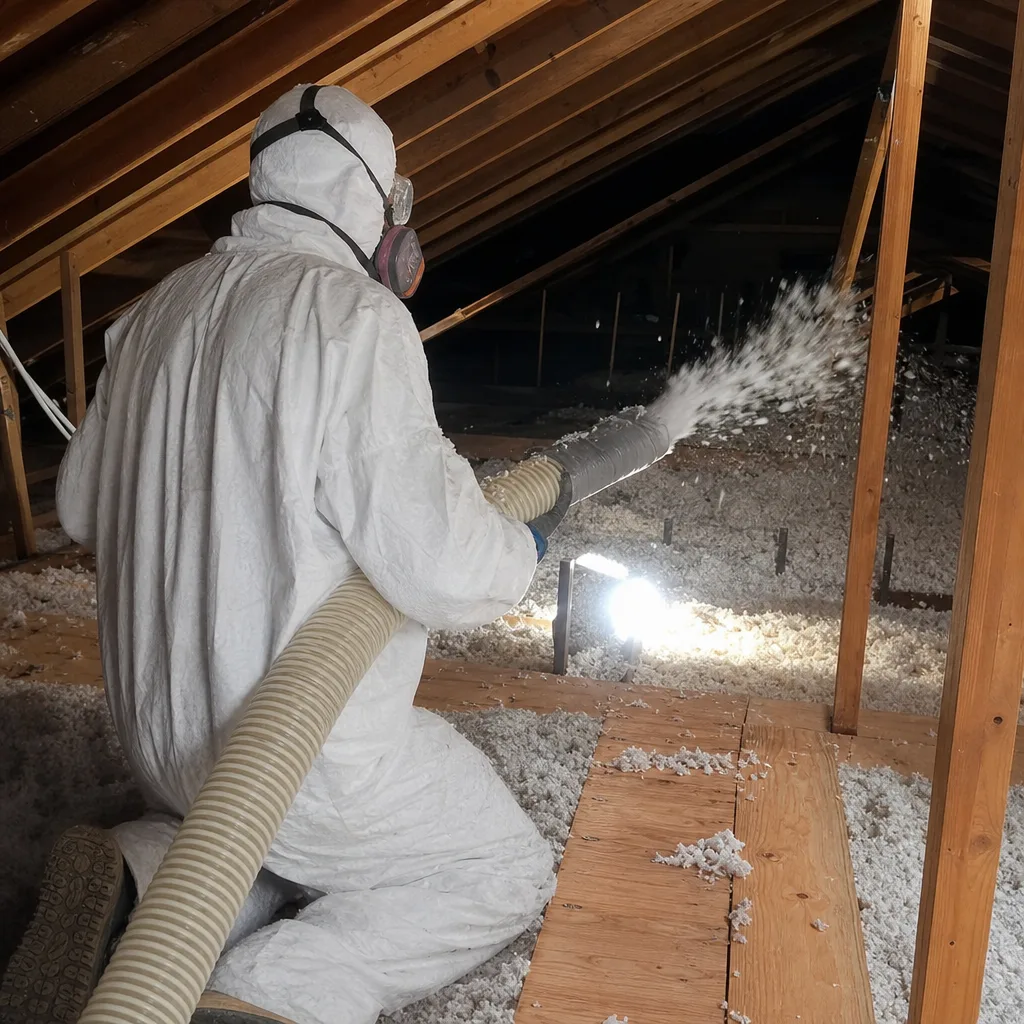
Blown in insulation in Rolling Hills Estates is the workhorse solution for attics in 1950s to 1980s homes where the existing insulation has settled, compacted, or never met modern code. Loose-fill material fills irregular joist bays, around trusses, and into shallow or awkward cavities that batts cannot cover. On a Peninsula ridge where roof decks get hit with marine moisture on one side and direct afternoon sun on the other, a continuous blown-in thermal layer plus proper ventilation is the most practical route to a balanced attic. We install cellulose and fiberglass loose-fill across Rolling Hills Estates, and we stock material from GreenFiber, Owens Corning, and Johns Manville so the material fits the house, not our truck. If you’re weighing blown-in against batts or spray foam in Rolling Hills Estates, our Blown In Insulation method page covers the material differences in depth.
Cellulose Insulation
Signs you need it
Your attic has settled fiberglass batts, visible gaps at the eaves, and second-floor rooms that run 8 to 12 degrees warmer than the rest of the house on summer afternoons.
What it costs in Rolling Hills Estates
Cellulose blown into a typical Rolling Hills Estates attic runs $1,800 to $4,200 depending on square footage and existing insulation depth.
How we do it
We air-seal the attic floor with foam or caulk, then blow GreenFiber cellulose to the target depth and density, working around vents, recessed lights, and wiring with proper clearances.
Blown In Attic Insulation
Signs you need it
The existing attic insulation is 3 to 4 inches deep instead of the recommended depth for the Palos Verdes climate, and your energy bills spike whenever the marine layer pushes inland heat up the ridge.
What it costs in Rolling Hills Estates
A full blown-in attic insulation job in Rolling Hills Estates typically costs $2,200 to $4,400, including air sealing and vent baffles.
How we do it
We install vent baffles at the eaves, air-seal penetrations, then use a two-person hose-fed machine to blow loose-fill to a uniform depth across the entire attic floor.
Blown In Fiberglass Insulation
Signs you need it
Your attic has damp or rodent-compromised cellulose that needs removal, and you want a non-organic loose-fill that will not hold moisture on a shaded north slope.
What it costs in Rolling Hills Estates
Blown-in fiberglass in a Rolling Hills Estates attic runs $1,800 to $3,800, with final price tied to depth required and attic access difficulty.
How we do it
We remove the failed material, seal the attic floor, and blow Owens Corning or Johns Manville loose-fill fiberglass to the R-value the home’s exposure demands.
What Blown In Insulation Costs in Rolling Hills Estates
| Item | Typical range in Rolling Hills Estates |
|---|---|
| Cellulose insulation (attic, existing home) | $1,800 – $4,200 |
| Blown-in attic insulation (full job, air sealing included) | $2,200 – $4,400 |
| Blown-in fiberglass insulation (attic) | $1,800 – $3,800 |
Is blown-in insulation worth it in Rolling Hills Estates’ climate?
Yes. The marine layer and afternoon sun put opposite stresses on a Peninsula attic, and blown-in loose-fill creates a continuous thermal blanket that batts cannot replicate. Homes here see the fastest payback when air sealing accompanies the insulation.
Call (866) 393-6041 and we’ll walk you through the numbers for your specific roof exposure.
How long does blown-in insulation last in Rolling Hills Estates?
Cellulose and fiberglass loose-fill both last the life of the home when the attic stays dry and ventilated. In Rolling Hills Estates, the failure we see most often is moisture introduced by marine-layer condensation into attics with blocked eave vents, not the material itself degrading.
Brands We Service in Rolling Hills Estates
We keep material from eight manufacturers in rotation, and the three most relevant to Rolling Hills Estates blown-in work are GreenFiber cellulose, Owens Corning loose-fill fiberglass, and Johns Manville attic products. Parts and accessories are stocked locally in our Laguna Hills warehouse, and most Rolling Hills Estates jobs can be scheduled within a week. See the full lineup on our brands page.
Pricing for Insulation Company in Rolling Hills Estates, CA
| Service | Typical range in Rolling Hills Estates |
|---|---|
| Cellulose insulation (attic) | $1,800 – $4,200 |
| Blown-in attic insulation (full job) | $2,200 – $4,400 |
| Blown-in fiberglass insulation (attic) | $1,800 – $3,800 |
| Attic insulation (general) | $1,800 – $4,200 |
| Attic air sealing | $1,100 – $2,200 |
| Spray foam attic insulation (open-cell) | $2,900 – $5,800 |
| Spray foam attic insulation (closed-cell) | $4,500 – $7,900 |
| Spray foam rim joist / crawl space sealing | $2,500 – $3,800 |
| Spray foam wall insulation (existing home) | $3,900 – $7,200 |
What pushes a Rolling Hills Estates price toward the top of each range is access: narrow hillside driveways, longer material carries, and vaulted or cathedral ceilings that require different tooling. Our quotes are itemized and upfront, so the number we give you over the phone or in person is the number on the invoice, no surprise line items.
Neighborhoods We Serve in Rolling Hills Estates
We cover the full 90505 ZIP, from the gated and guard-gated streets near the Rolling Hills border to the hillside lots along the canyon edges. If your street is narrow enough that the trash truck has to work for it, we have already planned the truck size and material carry for the job.
- Palos Verdes Drive corridors
- Civic Center area
- Rancho Vista and the east canyon side
- Dapplegray and the equestrian lots
- Harbor Hills area
Service Area – Cities Near Rolling Hills Estates
We run crews from Laguna Hills across the South Bay and Peninsula, and we quote work in Manhattan Beach, CA for oceanfront insulation challenges, Torrance, CA for 1960s tract homes, Lomita, CA for smaller lots and modest attics, and Palos Verdes Estates, CA for the ridgetop conditions that mirror Rolling Hills Estates. Response time to Rolling Hills Estates is usually same week depending on the season.
Serving Rolling Hills Estates, CA — Our Local Coverage Area
We’re based in the Rolling Hills Estates area and know this community well. Use the map below to see our service coverage — if you’re nearby, we can almost certainly help.
FAQs About Insulation Company in Rolling Hills Estates
Most estimates happen within 2 to 4 business days, and we schedule installation within a week when material is in stock. During the spring and early summer, when Peninsula homeowners start feeling the afternoon heat, scheduling tightens. Call (866) 393-6041 and we’ll confirm the current calendar.
Insulation in a standard attic or wall cavity is usually a maintenance job and does not require a permit. If your project involves structural changes to a vaulted ceiling or an ADU conversion, permitting falls under that scope of work, and we can advise you on how the city handles it before we quote.
Yes. On multi-building estate properties we quote and schedule the whole parcel at once. Detached garages, barns, and guest structures get their own material plan, but they are insulated during the same visit whenever access allows.
What happens when you call
- 1A real person answersNo phone trees — talk to a local insulation pro.
- 2You get an upfront price rangeHonest numbers before anyone is dispatched. No surprises.
- 3A background-checked tech heads outLicensed & insured, typically within 1-hour.
- 4You approve before work beginsNothing starts until you say go.
What Rolling Hills Estates Customers Say
"Told me the crawlspace didn't need doing and only the attic did. Half the job, half the money."
— Hector Hernandez"He did a blower door test before and after and gave me the numbers. I like being able to see the difference rather than being told about it."
— Elena Herrera"Found and sealed a gap around the chimney chase that was basically an open chimney to the attic."
— Sofia Vargas